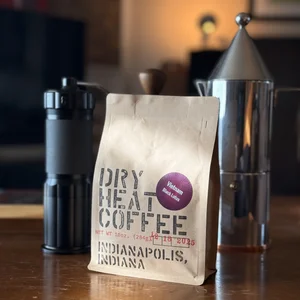
Water Is the MAIN Ingredient
Coffee is 98% water. If your water tastes like chlorine or nothing at all, that’s going to show up in the cup. This is probably the single biggest variable most home brewers never think about.
That’s why we use Third Wave Water. It’s a mineral packet we add to distilled water. We prefer it diluted to half-strength, adding one packet to TWO gallons of water. The Light Roast Profile is what I brew with every day, and it’s what I use when I’m evaluating coffees for the shelf. It gives me a consistent baseline so I can trust that what I’m tasting is the coffee, not my plumbing.
Is it the only way? No. There are other mineral recipes out there. Some people build their own water from scratch using food-grade minerals. If that’s your thing, more power to you. But for most people, the effort-to-reward ratio on Third Wave Water is hard to beat. A packet costs about $1.42, and you get two gallons of perfectly balanced brew water from each one..
If you’re spending good money on specialty coffee and grinding fresh, but you’re still using unfiltered tap water, this is the cheapest upgrade you can make. It’s the one change that will make the most noticeable difference in your cup.
Tap water varies wildly by region. Some municipal water is loaded with chlorine and chloramines. Some well water is heavy with calcium and magnesium. Some bottled “spring” water is barely mineralized at all. All of these affect extraction differently, and none of them are optimized for brewing coffee.
The coffee industry has known this for decades. The SCA publishes ideal water standards for brewing: a target TDS of 150 ppm, specific ranges for calcium hardness, and a slightly alkaline pH. (That number is being challenged in some circles as having too much mineralization. More on that later.) But hitting those numbers with your kitchen tap? Almost impossible without testing equipment and a lot of patience.