Let It REST
One of the most persistent myths in coffee is that “freshest” equals “best.” That idea only makes sense if roasting is the last step in flavor development. It isn’t.
Think about how tobacco cures after drying, and what happens when beef is dry-aged and enzymes slowly reshape texture and flavor. In both cases, the initial process begins the transformation, but time completes it.
Coffee behaves the same way. Right after roasting, beans can contain up to two percent of their weight as trapped CO2. That gas interferes with extraction and hides sweetness. But there’s more going on than degassing. The compounds formed during roasting are still reorganizing themselves. Acidity softens. Body increases. Aromatics stabilize. Bitterness becomes more balanced instead of just sharp. Especially with our lighter roasts, this evolution can take weeks. Sometimes more than a month.
When we talk about resting coffee, we’re not talking about waiting for it to stop being fresh. We’re talking about waiting for it to become itself.
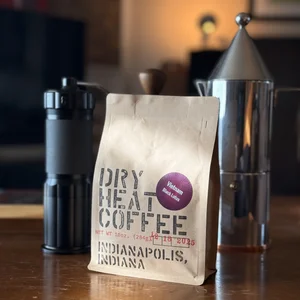
All of our coffees are best 14 or more days after roast, and many keep improving well beyond that. If you order right after a roast cycle, don’t rush it. Set the bag on the counter and give it time. That moment when a coffee finally opens up is one of the quiet miracles of roasting.
We’ve started holding back some of our coffees to pre-rest them before they ever ship. When you see multiple roast dates available on a product page, that’s intentional. The older dates have had more time to develop, and in many cases they’re the ones we’d reach for first. If you want a coffee that’s ready to brew the day it arrives, look for the roast dates with a few weeks on them.
We also include specific resting recommendations on each coffee’s product page when we know the sweet spot. Some coffees open up beautifully at three or four weeks. Others are ready at two. We’ll tell you what we’ve found.